
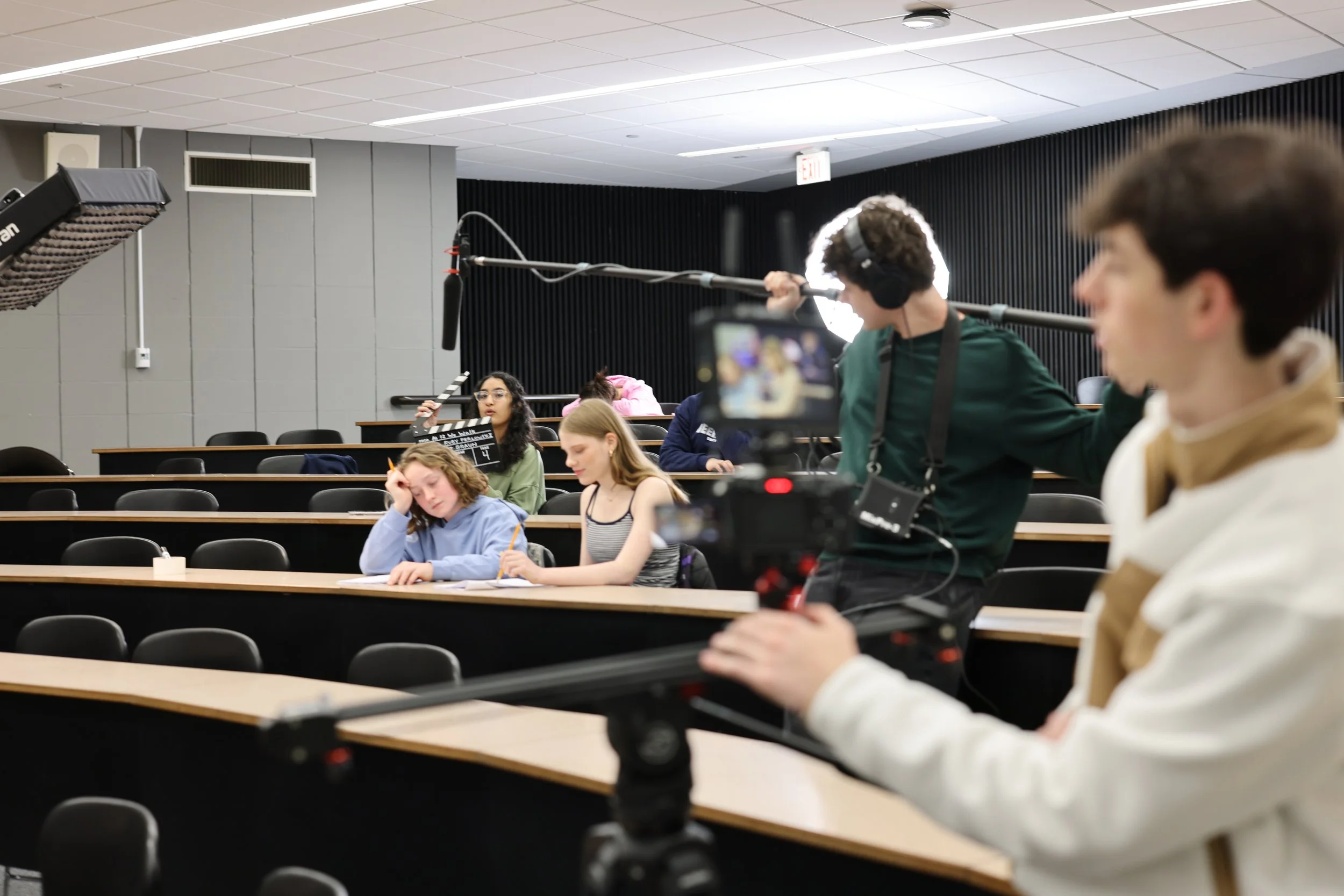
Lights. Camera. Purpose.
A first-of-its-kind afterschool program where young actors and filmmakers craft impactful stories together — from blank page to premiere night.
WAYFARER FILM ACADEMY X ACTORS TRAINING CENTER
The Big IDEA
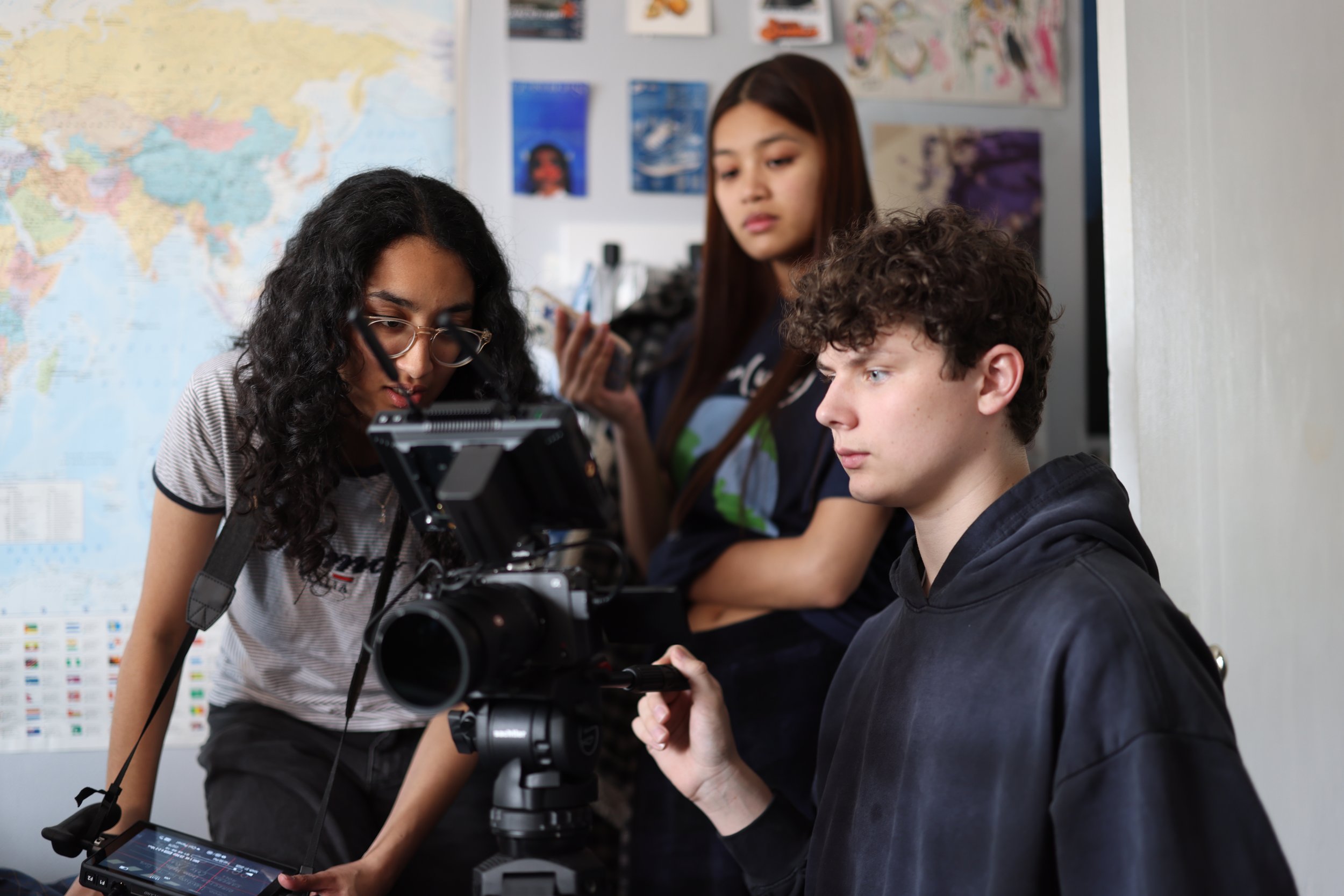
Every story carries a point of view. It reflects values, and it has the power to change how someone thinks, feels, or connects. That's the idea Wayfarer Film Academy builds on — and it's why our students don't just learn to run a camera or land a scene. They learn to tell a story that matters, and to take real responsibility for what they put into the world.
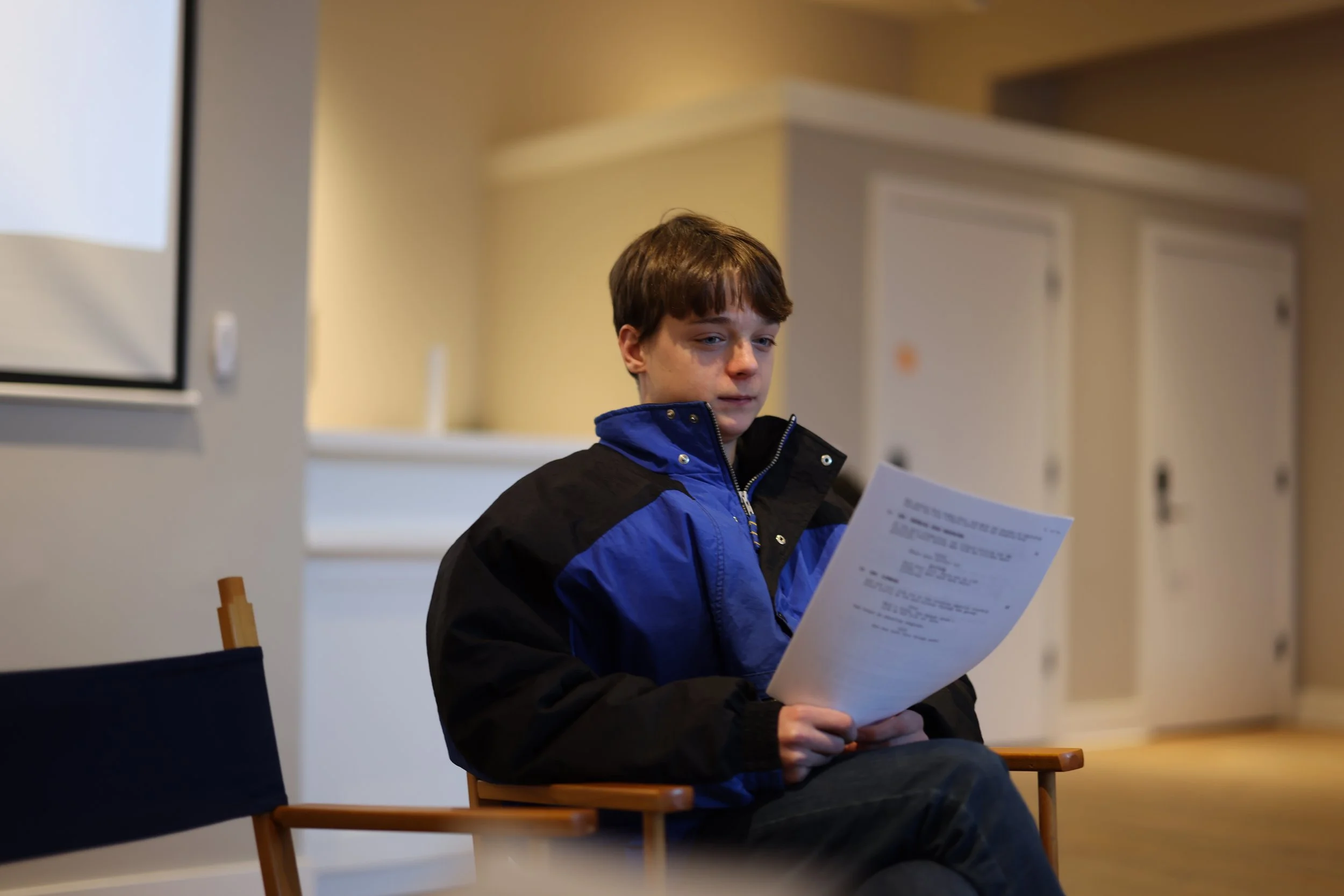
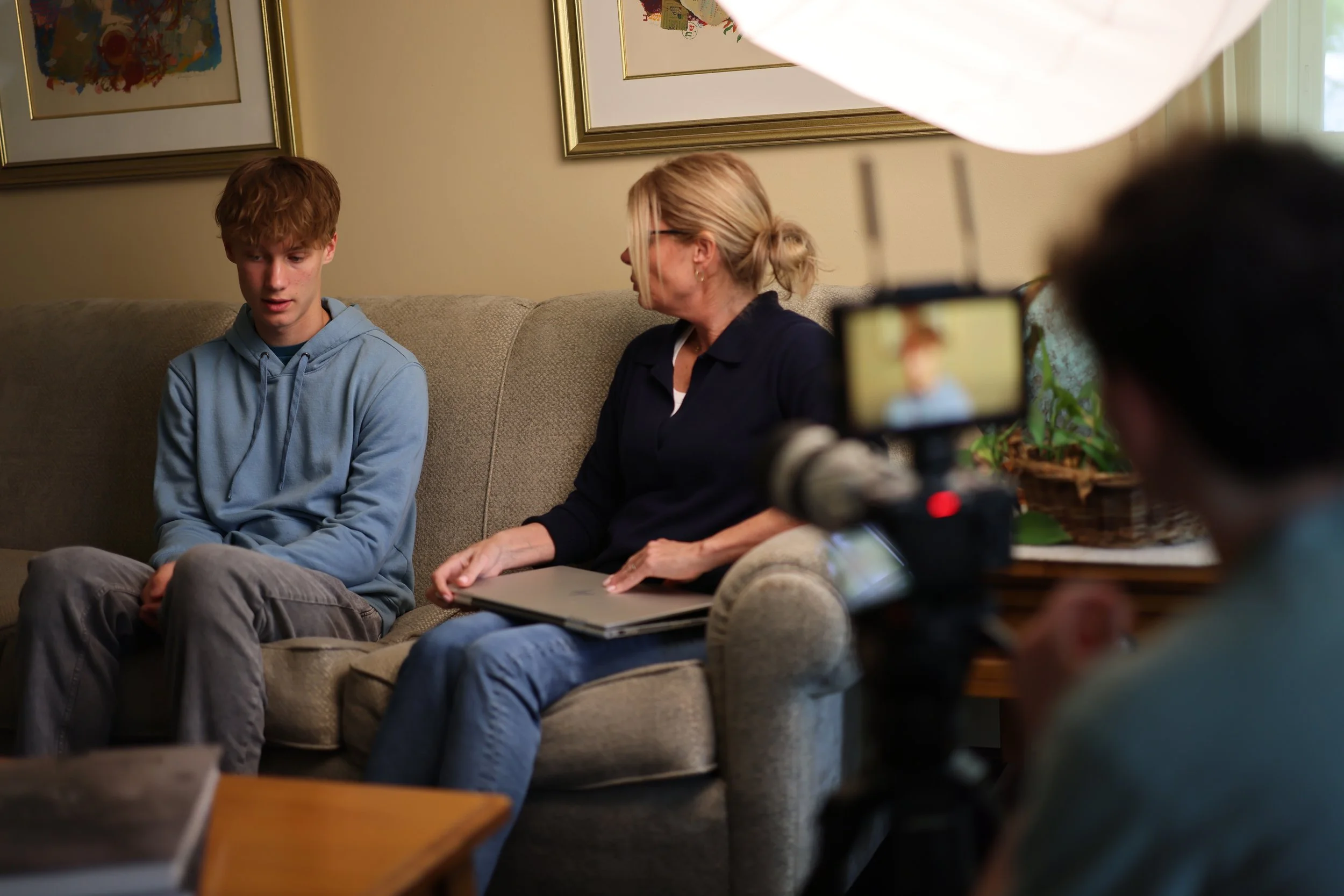
They don't do it alone. From week one, WFA's young filmmakers and ATC's young actors work as one ensemble — a real cast and crew, not two separate classes sharing a room. The filmmakers shape the visual world: shot lists, camera, lighting, editing. The actors shape the human one: character, performance, the choices that make a scene believable. Every finished film belongs to both.
What Your Student Becomes
Who am I, and what stories do I want to tell?
That's the question every student sits with for the whole semester. It's not rhetorical — it's the core question of the curriculum. By Showcase night, they'll have a real answer: a finished film, built start to finish, that says something true about how they see the world.
We call this Studio I: Finding Your Voice. Your student won't just come home knowing more about cameras or scripts. They'll come home able to say, with evidence: I am a storyteller.

HOW WE RUN
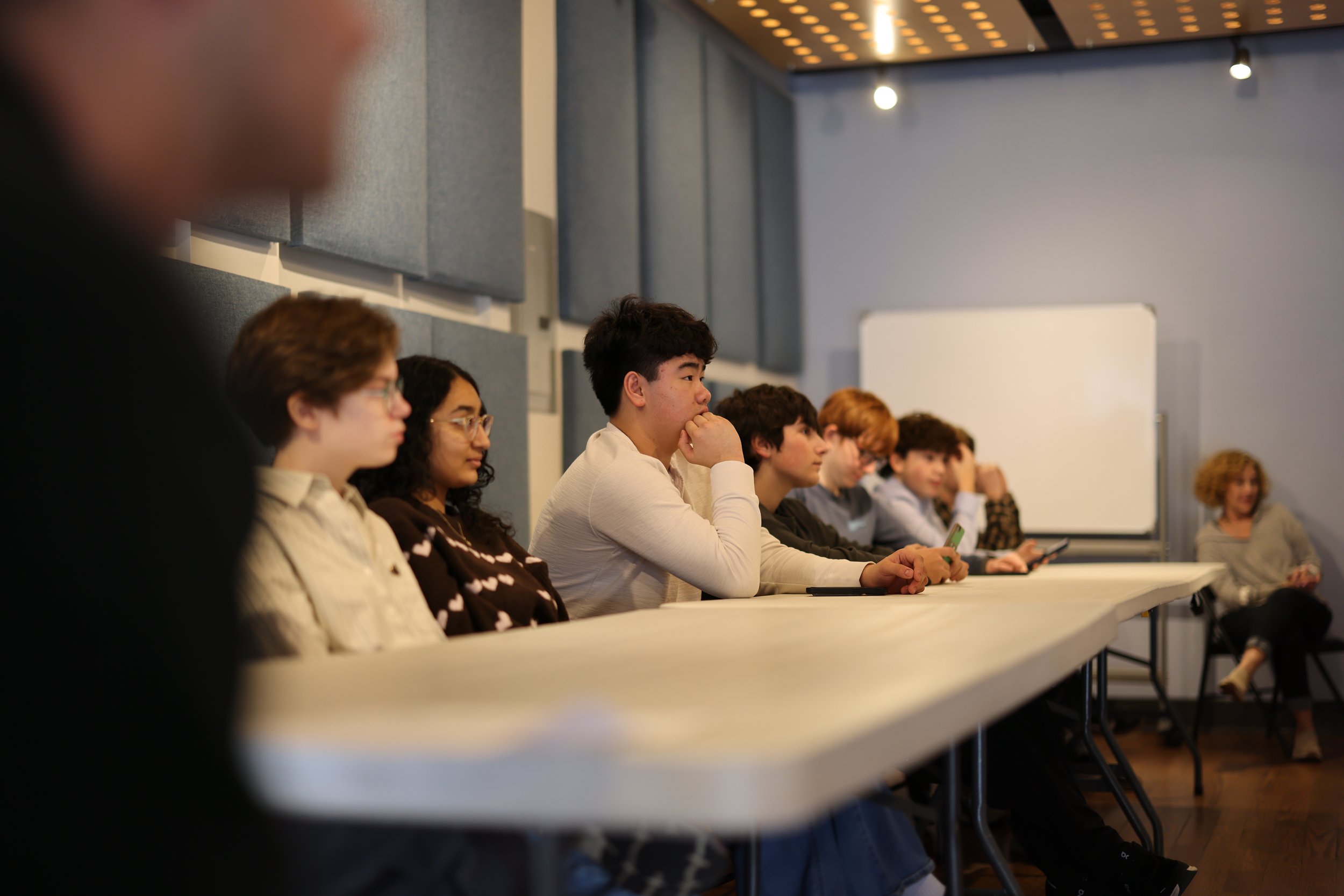
Every session runs on the same rhythm, so students always know what's coming — and instructors can build real skill over sixteen weeks instead of just filling time:
Check-In — students settle in together and name the energy in the room
Creative Warm-Up — a short acting, writing, or improv exercise to get bodies and imaginations moving
Story Circle & Studio Lab — the day's core concept is introduced through discussion, clips, or guided conversation, then put into practice: writing, rehearsing, revising, pitching, filming, or editing
Consultation & Feedback — students give and receive honest, structured critique using shared norms
Creative Reflection Journal — students name what shifted and what they're beginning to understand about themselves as storytellers
Schedule
FALL 2026
Studio I: Finding Your Voice | $2,000*
September 14, 2026 – January 11, 2027
Mondays & Wednesdays, 6:00–8:00 PM
Actors Training Center, 1159 Wilmette Ave, Wilmette, IL 60091
Students ages 14–18 (grades 9–12).
No prior acting or filmmaking experience required — Unit 1 is built to bring every student up to a shared starting point.
* Payment plans are available upon request. Send an email to programs@actorstrainingcenter.com to learn more.
Program overview
-
Focus: Trust, shared language, and WFA's values in practice
-
Focus: Voice, story structure, character, and early screenwriting
-
Focus: Story locked, teams split into WFA/ATC production roles
-
Focus: Film, edit, polish, archive
-
Focus: Public screening for family and friends
Meet THE Instructors
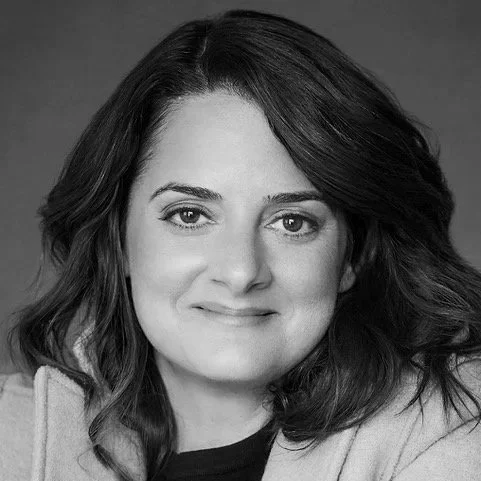

Carmella Riley
Carmella Riley is an actor and teaching artist with credits including Modern Family and Brooklyn Nine-Nine. She also leads ATC's On-Camera division.
Scott Dummler
Scott Dummler is an Emmy-nominated editor, producer, and director with more than 20 years of experience and work appearing on PBS, Travel Channel, History Channel, Turner Classic Movies, and more.
What STUDENTS WILL CREATE TOGETHER
In Studio I, every production team completes one real short film, not a demo reel or an exercise — built with limits tight enough that a first-time team can finish it well:
A 3–5 minute narrative film, start to finish, with titles and credits
One central character facing one clear choice, discovery, or change
No more than three speaking roles, and one or two locations
A complete story: clear beginning, middle, and end
The Showcase
A Real Premiere, With a Real Audience
At the end of the program, every team's finished film screens for family and friends at a public Story Showcase — a genuine premiere, with reflection and celebration built in, not a classroom presentation.
What Your Student Walks Away With
Beyond the film itself, every student leaves with a real archive of the semester — not a grade, but a record of what they made, who they became, and what they built with their team:
The Creative Portfolio
Answers: What did I make?
Includes: Pitch, screenplay, lookbook, shot list, the finished film, artist statement
The Growth Portfolio
Answers: Who am I becoming?
Includes: Journal excerpts, self-assessment, peer & instructor feedback, a letter to their future self
Ensemble Portfolio
Answers: What did we build together?
Includes: Team agreement, group pitch, behind-the-scenes documentation, group reflection
Frequently Asked Questions
-
No. Unit 1 (Becoming an Ensemble) is built to bring every student, regardless of background, up to a shared starting point.
-
A complete short film, built and finished with their team, premiered at our Story Showcase event on the big screen at Wayfarer Theaters in Highland Park.
-
They're one ensemble working two sides of the same production. After developing the story together as a group, some students take the lead on the visual and technical side — camera, shot lists, editing — while others lead the performance side — character, rehearsal, on-camera work. Every finished film is credited to the whole ensemble.
-
Wayfarer Film Academy is the next iteration of CFA. The revamped program continues a hands-on, ensemble-based approach to filmmaking education in the Chicagoland area, now built in close partnership with the Actors Training Center.
-
Enrollment, scheduling, and payment all happen through ATC's site — the button below takes you there directly.
-
Payment plans are available and can be coordinated directly with the team at the Actors Training Center.
Contact ATC at programs@actorstrainingcenter.com for details.
Ready to roll the cameras?
Registration and payment all happen on ATC's site — clicking below will take you there.